The End of ‘100% Pure’ Claims: FSSAI’s New Labeling Crackdown
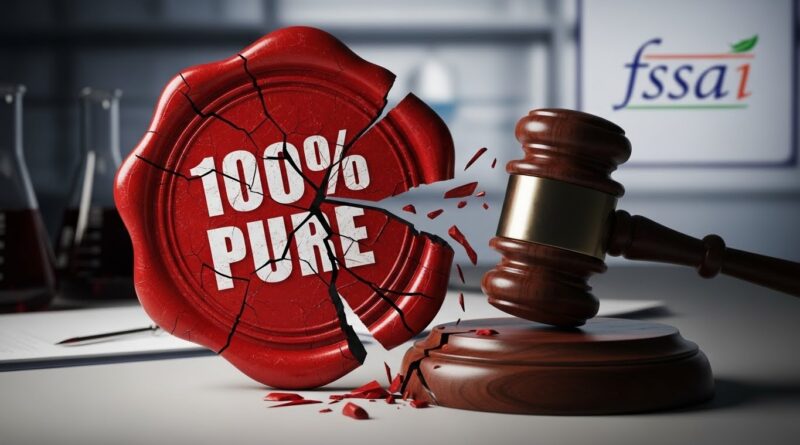
Don’t let buzzwords fool you! FSSAI just issued a strong advisory against the term ‘100%’ in food labeling, meaning your favorite product might be changing its packaging. This significant move by India’s apex food regulator aims to end consumer confusion and usher in a new era of transparency.
If you’ve ever picked up a product—be it honey, juice, or oil—simply because it claimed to be “100% Pure,” “100% Natural,” or “100% Safe,” you’ve been exactly where the Food Safety and Standards Authority of India (FSSAI) is drawing a red line. The message is clear: absolute claims, without regulatory definition, are no longer welcome.
The Regulatory Gap: Why ‘100%’ is 100% Misleading
The FSSAI’s advisory is not a blanket ban on purity, but a crackdown on ambiguity. The core issue is simple: the term “100%” is not defined under the Food Safety and Standards (FSS) Act, 2006, or the subsequent Food Safety and Standards (Advertising and Claims) Regulations, 2018.
When a term lacks a legal and scientific definition, brands are free to use it as a marketing flourish, regardless of the product’s actual composition or processing methods.
The Problem with Absolutes:
- False Sense of Superiority: A claim of “100% Pure” suggests an absolute level of quality that other, equally compliant products may lack, even if the difference is negligible or non-existent. This undermines fair competition.
- Misleading Consumer Perception: Consumers often equate “100% Natural” with “untouched” or “preservative-free,” which is frequently untrue, especially in packaged foods that have undergone processing, sterilization, or concentration. For example, a “100% fruit juice” claim is misleading if the product is made from concentrate and contains added sweeteners or preservatives, a practice FSSAI has previously targeted.
- Unverifiable Claims: Without a regulatory standard, there is no way for the FSSAI to scientifically verify if a product is truly “100% anything,” leaving the claim entirely unsubstantiated.
The Legal Foundation for the Crackdown
FSSAI’s latest advisory reinforces its existing mandate, particularly two key sub-regulations from the FSS (Advertising and Claims) Regulations, 2018:
1. General Principles for Claims (Sub-regulation 4(1))
This principle mandates that all claims must be:
- Truthful
- Unambiguous
- Meaningful
- Not Misleading
The FSSAI contends that using “100%” in isolation or with vague descriptors violates this rule because it is inherently ambiguous and likely to create a misleading impression among consumers.
2. Prohibition of Disparagement (Sub-regulation 10(7))
This prohibits any advertisement or claim that undermines the importance of healthy lifestyles or undermines the products of other manufacturers. By claiming absolute purity, a brand subtly implies that competitor products are inferior or non-compliant with standards, thereby violating this provision.
What This Means for Food Businesses and Consumers
🛒 For the Consumer: Look Beyond the Hype
This advisory is a win for informed consumerism. It is a reminder that the loudest claims are often the least substantiated.
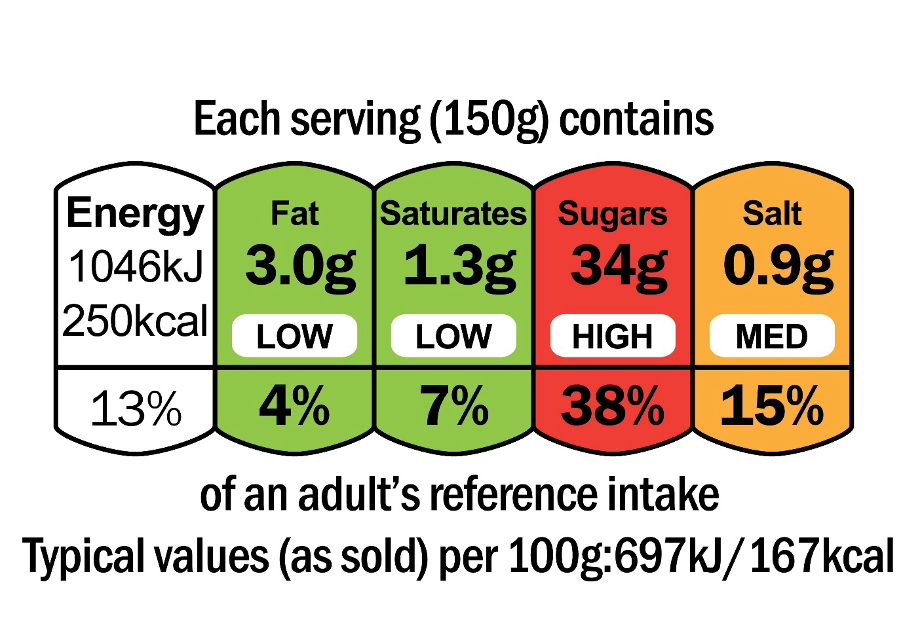
- Focus on Ingredients: Always flip the package and read the Ingredient List and Nutritional Information panel. These regulated panels offer the genuine facts about what you are eating, overriding any catchy, but vague, claim on the front.
- Look for Verification: Seek out claims that are defined by FSSAI, such as the +F logo (for fortified foods) or Organic India certification logos, which have measurable, legal standards.
🏭 For Food Business Operators (FBOs): The Compliance Shift
For manufacturers, marketers, and advertisers, the mandate is simple: stop using the term “100%” unless it is legally and scientifically defined and verifiable for your product.
- Review Packaging: Brands must audit and revise all existing packaging, labels, and promotional materials (including digital ads and website copy) to remove unsubstantiated “100%” claims.
- Focus on Specifics: Instead of “100% Natural Oil,” FBOs must shift to claims that are factual and precise, such as “Single-Source Oil,” “Cold-Pressed,” or “Contains 5g Fiber per Serving.”
- Risk of Penalty: Non-compliance with the Advertising and Claims Regulations can lead to regulatory actions, including penalties under the FSS Act, 2006, which can extend up to ₹10 lakh for misleading advertisements.
The FSSAI’s action against the misuse of labels like ‘ORS’ (Oral Rehydration Solution) on sugary drinks further highlights their seriousness about cracking down on misleading claims that pose a public health risk. The ban on ‘100%’ is part of this broader push for transparency and accountability in the Indian food sector. This move marks a significant step towards ensuring that marketing language in India’s competitive food market is driven by transparency and facts, not just emotional appeal.